
When it comes to running a successful restaurant, maintaining a clean kitchen is not just about appearances—it’s essential for safety. With grease buildup being a leading cause of fires in commercial kitchens, understanding the cost and process of professional kitchen hood cleaning becomes crucial for any restaurant owner. It's easy to overlook tasks like this when you're juggling countless responsibilities, but prioritizing professional cleaning can save you from potential hazards and hefty repair bills down the line. We’ve compiled key information on what you need to know about kitchen hood cleaning services to help guide your decisions and keep your establishment safe and compliant.
The cost of professional commercial kitchen hood cleaning can vary depending on factors such as the size of the kitchen, the extent of buildup, and specific service requirements. Typically, prices can range from $300 to $1,200 per cleaning; however, for an accurate estimate tailored to your unique needs, it's best to contact us at AIM Power Washing for a free quote.
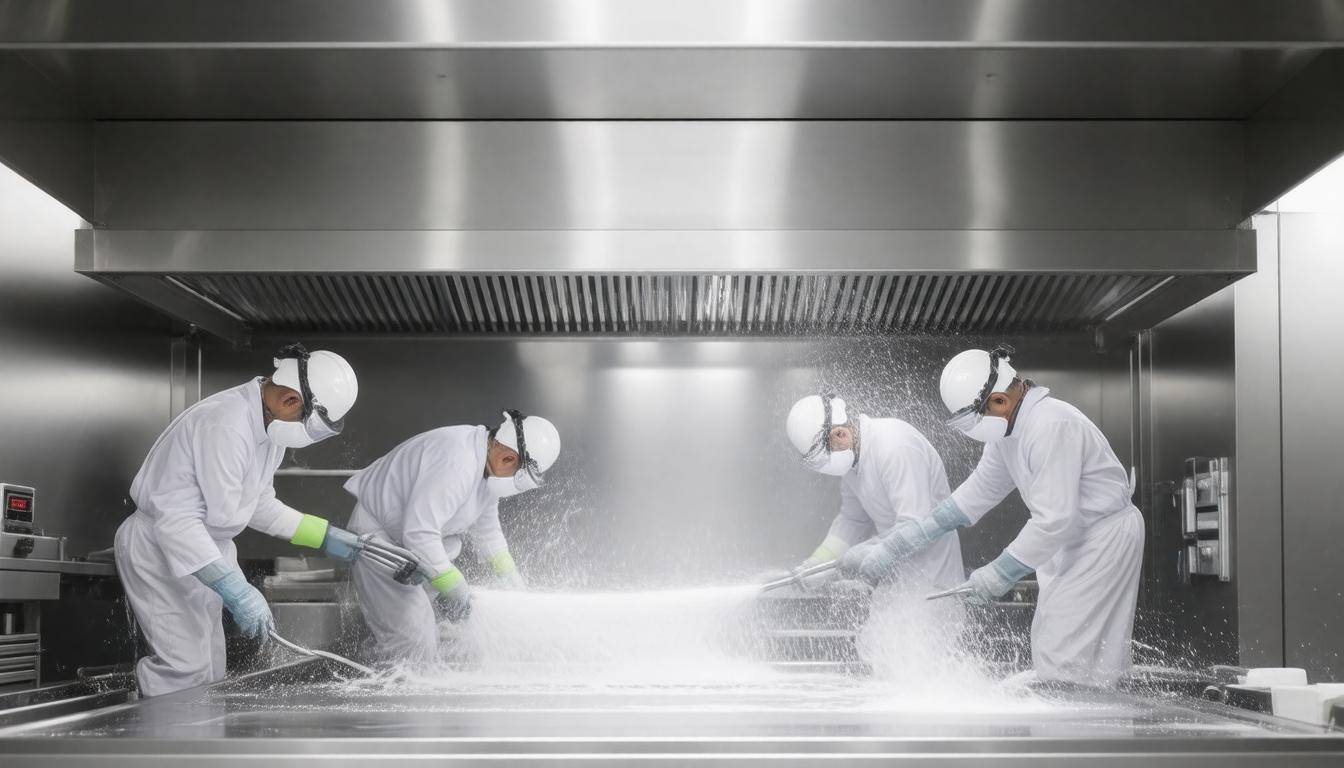
Professional kitchen hood cleaning involves meticulously stripping away grease, dirt, and contaminants from a restaurant's entire exhaust system. It's not simply about keeping things looking spotless; it's a crucial aspect of maintaining safety and adhering to health regulations.
In bustling restaurant kitchens, grease-laden vapors are an everyday occurrence. These vapors settle, forming thick layers that can coat the hood, filters, ductwork, and exhaust fan. Over time, this accumulation poses a severe fire risk. The National Fire Protection Association (NFPA) highlights this danger, requiring restaurants to perform regular cleanings to mitigate fire hazards within their establishments.
Many restaurant owners may believe that a quick wipe down now and then is sufficient to keep their kitchen hood in good condition. However, neglect can lead to significant build-up that not only tarnishes the kitchen's appearance but also compromises fire safety systems designed to protect life and property.
Interestingly, statistics reveal that approximately 22% of all restaurant fires stem from grease buildup within these systems. By investing in regular professional cleaning services, establishments can substantially reduce their risk of facing devastating fires due to accumulated grease.
To put it simply: when commercial kitchen equipment like hoods isn’t properly cleaned by experts, it doesn't just violate safety standards; it jeopardizes the lives of staff and patrons alike.
Each phase of the cleaning process is performed with precision and expertise, emphasizing the need for skilled professionals equipped with the right tools for effective results.
Understanding the various techniques employed during a thorough kitchen hood cleaning can reveal why this task is best left to professionals like AIM Power Washing.
Comprehensive cleanings generally involve several steps: first, disassembling parts of the exhaust system to ensure all surfaces are accessible; next, applying industrial-grade degreasers to break down stubborn grime; followed by safely removing these residues using specialized equipment that minimizes mess and environmental impact; and finally reassembling everything while checking for any potential issues. This meticulous approach guarantees a job well done that meets strict industry standards.
It’s worth noting that the quality of service can play a significant role in how often cleanings are required. With AIM Power Washing, for example, customers benefit from timely communication and personalized solutions that cater specifically to their needs—ensuring not only cleanliness but also longevity in their systems.
Regular maintenance may allow operators to schedule light cleanings every few months while still ensuring safety compliance and optimal performance.
With decades of experience under its belt, AIM Power Washing knows precisely how essential it is for restaurants across Phoenix and surrounding areas such as Avondale and Peoria to keep their kitchen hoods functioning effectively through regular upkeep. Remember that free estimates are available! So why not take advantage of this opportunity? A cleaner kitchen leads to happier customers—and that ultimately helps everyone achieve success in today’s competitive dining market.
As we explore further into this essential maintenance practice, it's important to consider the step-by-step procedures involved in ensuring that your exhaust systems are left in peak condition for safe operation.
The exhaust cleaning process involves multiple steps that ensure every part of the kitchen hood system is clean and safe. This meticulous approach goes beyond mere aesthetics; it plays a vital role in fire safety and compliance with health regulations.
The journey begins with a thorough inspection of the kitchen hood system. During this phase, experienced professionals like those at AIM Power Washing assess the current level of grease buildup. This is not just about identifying visible grime—it's about understanding the hidden layers that can pose serious risks. By conducting this inspection, technicians develop a tailored cleaning plan that reflects both the specific needs of the system and necessary health regulations. Ignoring this step could lead to underestimating the work needed, potentially compromising safety.
Once the inspection is complete, the next step involves preparation. Before any cleaning agents touch those critical surfaces, it's essential to safeguard the surrounding areas from accidental spills or contamination. Technicians cover floors with protective materials, ensuring no stray droplets affect what lies beneath. They might also use plastic sheets to shield appliances and workstations from any overspray that could cause issues during cleaning. It's all about creating a safe zone where the actual work can proceed smoothly without hindrances.
Now comes one of the most crucial phases: degreasing. Industrial-strength degreasers are meticulously applied, acting as a catalyst to break down stubborn grease that has built up over time. These specialized products are designed to be food-safe—meaning they're gentle on areas meant for culinary work but unforgiving against hard-to-remove grime. It’s fascinating how these powerful agents can dissolve years of buildup while being considerate of food safety standards. This step is particularly significant because an effective degreasing process sets the foundation for everything that follows.
Following degreasing, it’s time for some elbow grease—or rather, manual scraping! Here, technicians manually remove thick layers of grease that have become resistant to chemical treatments. It’s an intricate dance of artistry and precision, requiring their skills to scrape away without damaging any components. After this manual work is done, they turn to pressure washing—an essential finale that invigorates every corner of the hood, ducts, and fans by blasting away remaining debris with high-pressure water jets. Seeing this stage in action showcases not only cleanliness but also reveals how much grime was once hidden.
The final step takes us back into inspection mode. With everything gleaming, technicians carry out a thorough examination of the entire system once more to ensure it meets all cleanliness standards. If they discover anything needing attention—such as worn-out filters or damaged components—they can address these immediately, performing repairs or replacements on-site if necessary. Thus, maintenance doesn’t just happen long-term—it becomes an integral part of each cleaning session ensuring your kitchen runs efficiently between professional cleanings.
As we transition from detailed procedures into broader considerations, it’s crucial to examine what influences pricing in these specialized cleaning services.
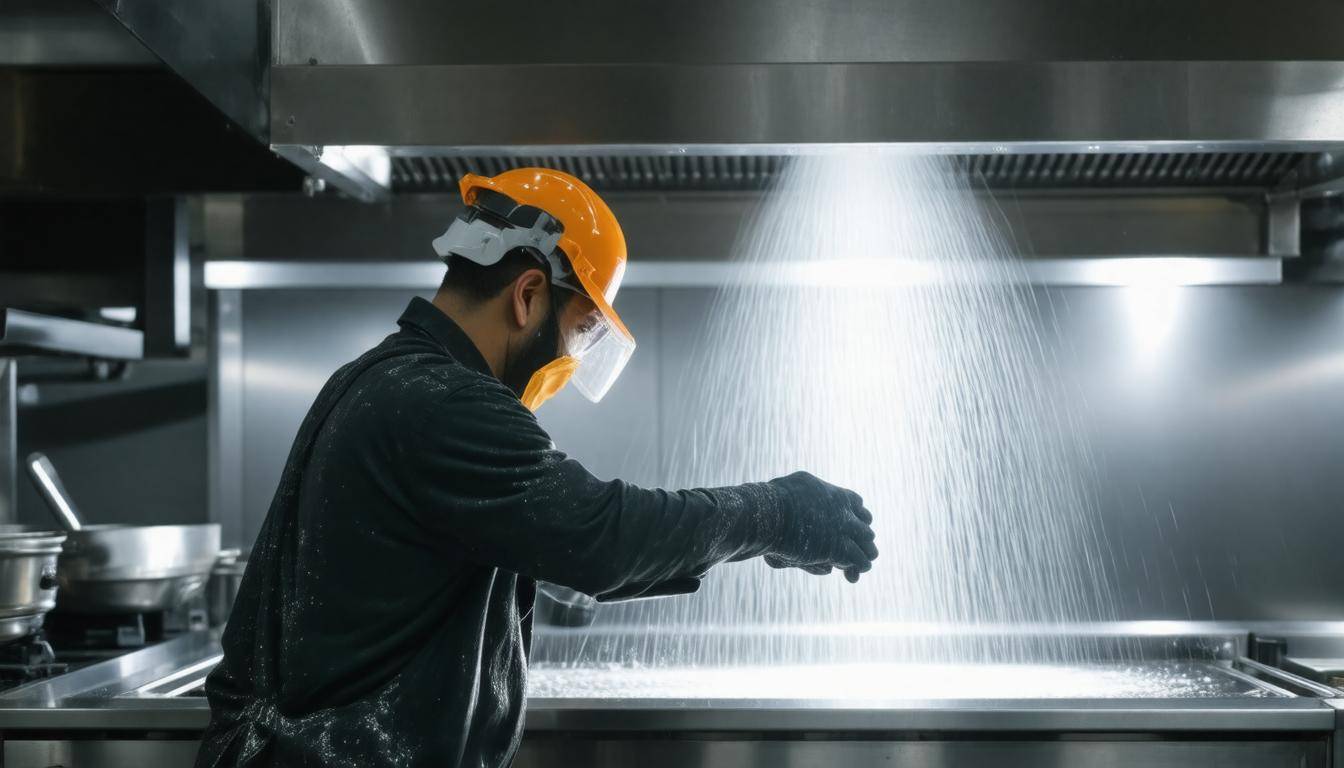
Several key factors significantly influence the overall cost of professional kitchen hood cleaning services.
First and foremost, consider the size and type of cooking facility. Larger commercial kitchens, particularly in high-volume settings like restaurants or catering facilities, have extensive exhaust systems that are more labor-intensive to clean. Imagine a massive industrial kitchen filled with fryers, grills, and open flames; it becomes clear that maintenance will require additional expertise and time compared to a smaller establishment with simpler needs.
Another crucial factor is frequency of cleaning. Facilities that opt for regular maintenance appointments often find their overall costs lower per visit. This is largely because repeated cleanings prevent extensive grease buildup over time, creating a less daunting task for the cleaning crew. In contrast, kitchens that only schedule infrequent cleanings may face higher individual charges due to significant grease accumulation, requiring the use of more intense cleaning methods.
Moreover, don’t overlook location and accessibility. Kitchen hoods located in hard-to-reach areas or those involving rooftop exhaust systems can dramatically increase labor costs since cleaners may need specialized tools or additional safety measures to access these locations properly. For instance, the cost of employing scaffolding or lifts to clean high ducts can push expenses upward.
The level of grease buildup is also an important variable to take into account. A kitchen notorious for its greasy operations—such as those found in burger joints or pizzerias—will result in steeper cleaning bills than a place where light food preparation occurs. Consider a fast-food restaurant frying up batches of food all day long—their greasy residue demands deeper and more thorough cleaning techniques.
To illustrate this point further, juxtapose two different types of eateries: a bustling fried chicken joint tends to accumulate grease quickly due to its cooking style. In contrast, a quaint café that mainly serves cold sandwiches will rarely see such buildup. Given this context, it's apparent that the operational habits of the kitchen directly correlate with how much you might shell out for cleaning services.
Understanding these influential factors prepares restaurant owners to explore the pricing landscape for cleaning services more effectively and allows them to plan accordingly without facing unanticipated financial burdens.
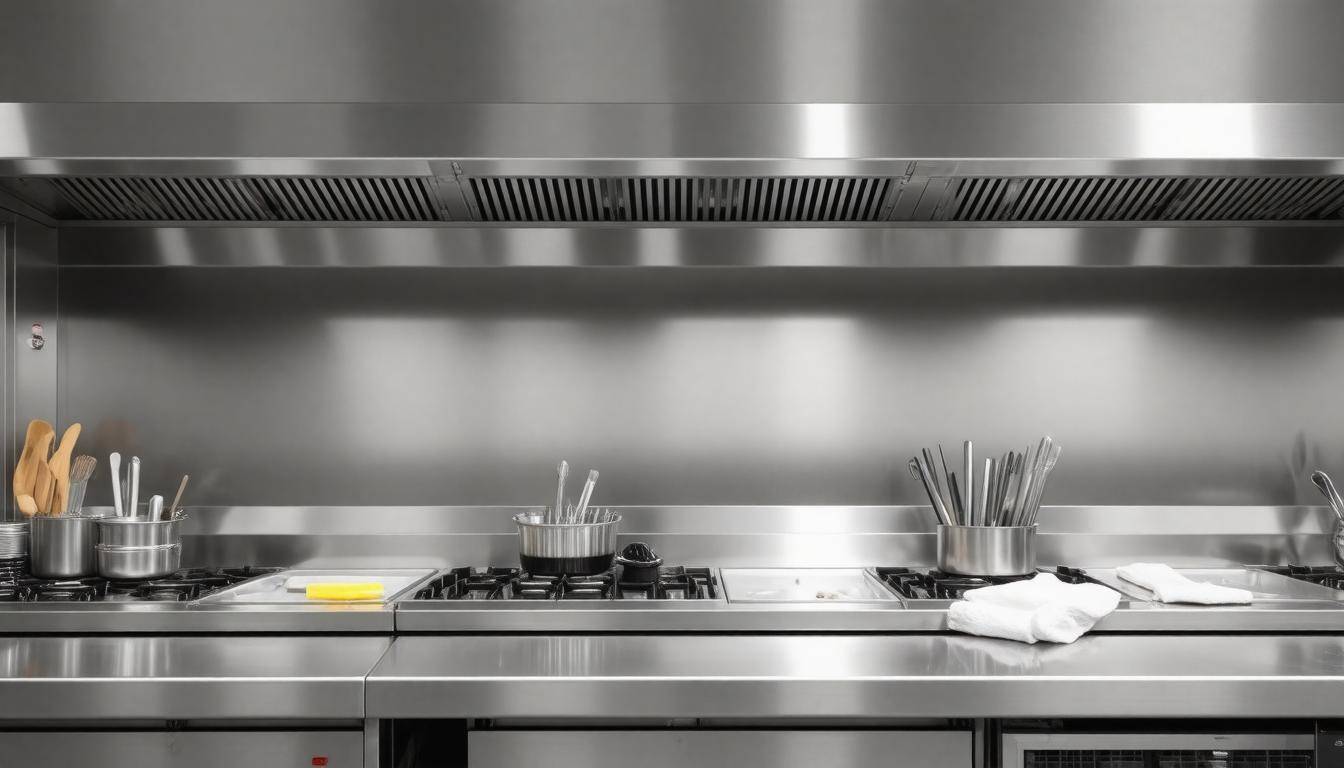
When you're looking at professional kitchen hood cleaning services, prices can vary significantly based on several factors, including the size of your kitchen, the complexity of the systems involved, and even the frequency of the cleanings. According to industry averages, the cost typically ranges from $400 to $1,000 for a standard commercial kitchen. This range reflects various cleaning requirements, as smaller kitchens may require less time and fewer resources compared to larger operations.
It’s important to remember that not all kitchens are created equal. For instance, a complete system cleaning—which encompasses all aspects of hood, ductwork, and exhaust fans for larger restaurants or facilities—can elevate the cost significantly, sometimes running upwards of $2,000. This elevated price often corresponds with deeper grease buildup and more complex systems that demand specialized techniques and equipment.
For example, fast-food chains that have high-volume cooking environments may secure contracts averaging $500 per visit due to their need for frequent cleanings—not just to maintain appearance but also to comply with health regulations. This routine maintenance becomes essential in avoiding fire hazards connected to grease accumulation.
However, smaller establishments like cafes might find themselves paying closer to $300 for a basic cleaning service. They typically have less cooking volume and grease buildup compared to larger restaurants, allowing for quicker inspections and maintenance.
Many professionals in the industry—including those at AIM Power Washing—underscore the value of regular cleaning. Not only does it prevent costly repairs linked to neglect over time, but it also fosters a safe working environment in compliance with health codes.
Considering these pricing factors along with your unique needs as a restaurant owner or manager highlights the importance of prioritizing proper maintenance. The value it brings extends beyond cost—it ensures safety and compliance that every establishment should strive for.
Regular professional cleaning offers numerous benefits that extend far beyond mere compliance with health regulations or safety standards. Perhaps the most critical advantage is enhanced safety. In commercial kitchens, where cooking oils and fats are commonplace, it's easy for grease to accumulate in hood exhaust systems. This buildup can pose a significant fire hazard—not just to your kitchen but to the entire establishment. By scheduling consistent cleanings, you drastically reduce the risk of an unfortunate accident, allowing your staff and customers to feel secure.
Fire safety is paramount in any kitchen, especially when dealing with flammable materials like grease and oil. The National Fire Protection Association has noted that hundreds of restaurant fires originate from grease buildup. Regularly scheduled cleanings ensure that you not only comply with local fire codes but also foster a safer workplace. When AIM Power Washing steps in to tackle those grease-laden hoods, we leave them spotless and ready for action, significantly reducing the risk of flame spread and potential disaster.
Now that we’ve covered safety, let’s discuss efficiency.
Clean hoods and ducts have a tremendous impact on overall kitchen efficiency. When ventilation systems get clogged with dirt and grime, airflow suffers—leading to poor air quality and moisture retention. This means your kitchen will be warmer than necessary, forcing your HVAC systems to work overtime.
When you invest in regular cleaning by professionals like our dedicated team at AIM Power Washing, you allow better airflow throughout your kitchen. The result? Not only does this improve ventilation, but it also translates into optimal functionality for your cooking equipment. Your fryers, grills, and ovens will operate at peak performance without extra strain, leading to faster cook times and enhanced quality in your culinary creations.
Now let's talk about long-term savings. It may seem counterintuitive at first: spending money on regular maintenance could save you resources later down the line. But think of it this way—investing in routine cleaning can prevent costly repairs and unplanned shutdowns due to equipment failures caused by neglect or obstructed ventilation systems.
For instance, faced with an overwhelming grease fire or a broken exhaust fan because of inadequate maintenance, you'll likely end up paying thousands in repairs and losses from service interruptions. On the other hand, imagine receiving a quote from AIM Power Washing for a modest monthly cleaning service—much lower than the hefty price tag attached to extensive repairs or damages. As the old saying goes, “An ounce of prevention is worth a pound of cure,” making regular cleaning not just wise but necessary for every commercial kitchen.
As we've seen, maintaining a clean kitchen hood not only enhances safety but also boosts operational efficiency and leads to significant long-term savings. With these points highlighted, it's essential to explore what factors should influence your choice of a reliable service provider.
Selecting a reputable cleaning service provider is vital, especially when it comes to maintaining your commercial kitchen's safety and efficiency. A clean kitchen is essential for adhering to health codes and ensuring the longevity of your equipment. Start by understanding the credentials and experience of the companies you’re considering.
Look for cleaning companies that boast certifications from respected organizations such as the NFPA (National Fire Protection Association) or IKECA (International Kitchen Exhaust Cleaning Association). These endorsements signify adherence to rigorous safety and operational standards. Additionally, consider their experience level; a company like AIM Power Wash, led by owner Daniel with decades of industry experience, is an excellent example of what to look for. Knowing that your provider has faced various scenarios and knows how best to tackle challenges during a cleaning job is comforting.
Once you've vetted potential companies based on their qualifications, it’s time to examine customer feedback.
Customer reviews and testimonials can provide invaluable insight into a cleaning service's reliability and quality of work. For instance, Rachelle Haviland remarked that "Daniel and his team go above and beyond the call of duty!" This indicates you're dealing with a provider who values quality service. Take time to read through these testimonials; they often reveal satisfaction levels, responsiveness, and professionalism in challenging situations.
While feedback from past clients is essential, you should also consider what services are available.
Inquire about the various service packages each company offers. Some providers have bundled options that give you more bang for your buck, combining essential services like hood cleaning, pressure washing, and window cleaning into one comprehensive plan. AIM Power Wash provides tailored packages designed with local restaurant needs in mind, making it easier for you to choose a solution that fits both your demands and budget.
“Best choice we've made was calling AIM Power Wash,” noted Isreal Young. This sentiment underscores how essential it is to select a thorough, reliable cleaning service partner who understands the specific needs of commercial kitchens.
Thus far, we’ve touched upon qualifications, experiences, and packages; however, another crucial aspect is communication with prospective providers. Establishing open lines of communication allows you to convey your needs clearly while offering peace of mind regarding project expectations. A collaborative relationship ensures compliance with health regulations and contributes to your kitchen's overall cleanliness and efficiency over time.
In summary, ensuring you choose a trusted cleaning service not only meets regulatory standards but also enhances the overall operation of your commercial kitchen. It's worth taking the time to research thoroughly before making this important decision.

Phoenix · Avondale · Peoria · Glendale · Buckeye · Surprise · El Mirage · Goodyear · Tolleson · Litchfield Park · Youngtown · Sun City · Sun City West · Tonopah · Waddell
© 2025 | AIM PowerWashing, LLC | AIMPowerWash.com


